Meet the Indigenous Tech Summit kaikōrero
+ More speakers and panellists to be announced.
We will provide more information on keynote presentation titles and panel discussions in the coming weeks.
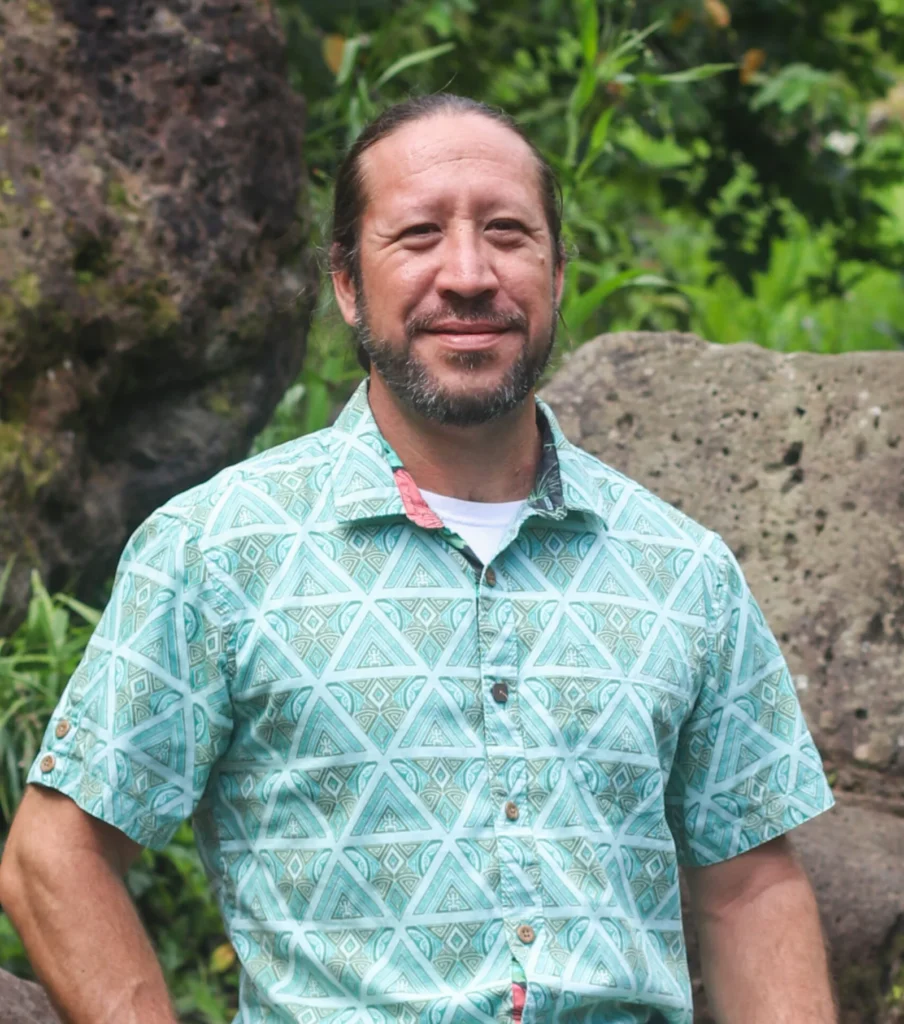
Ikaika Bishop is a Kanaka Maoli farmer, ocean-technologist and educator with over twenty years of field practice and three decades building for the web.
He works from inside the systems he studies - growing the food, restoring the fishponds, building and installing the instruments, and writing the software that puts governance of the data directly into the hands of the practitioners.
He is legally blind, and an advocate for learners with disabilities.
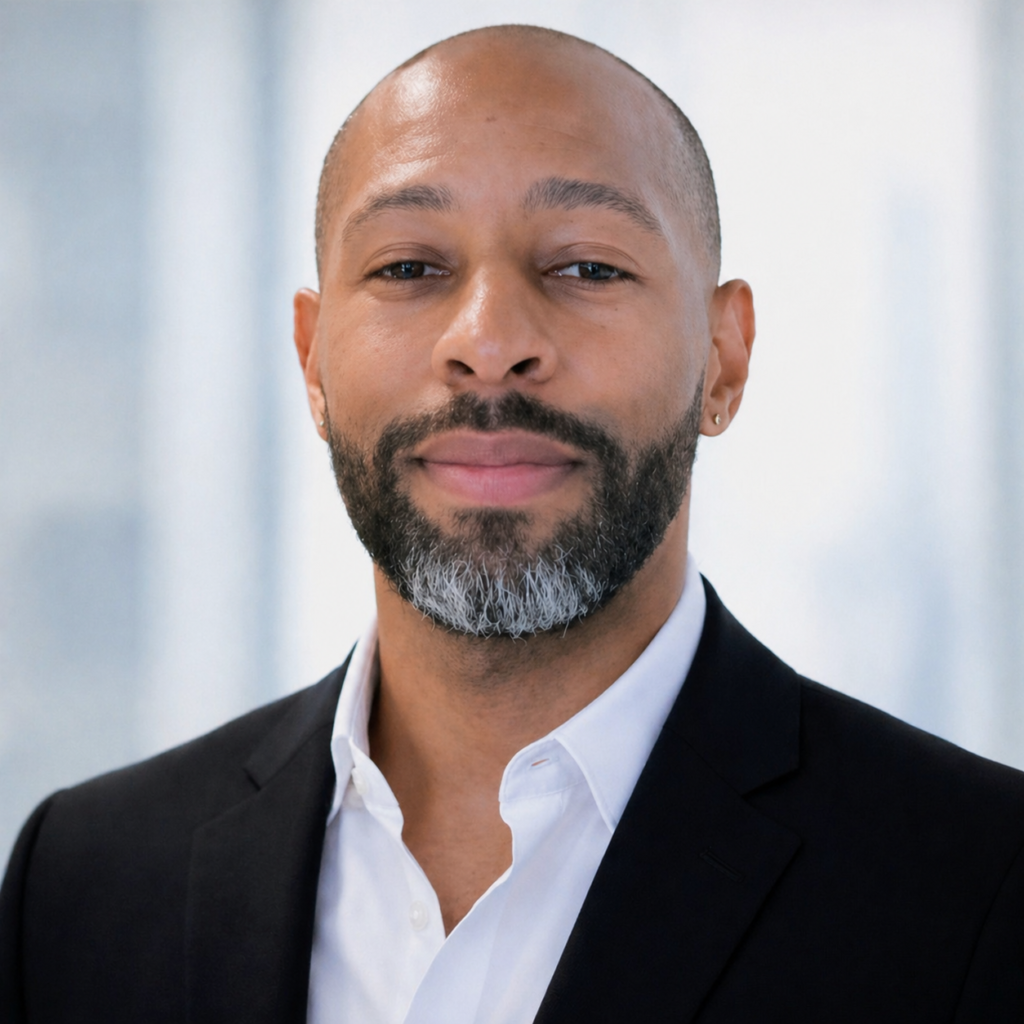
An internationally recognized sociologist who studies the social impact of AI, emerging technologies, and health. He is an expert in democratizing AI and community-centric approaches, and regularly publishes research in leading AI journals such as AI & Society, AI and Ethics, and Philosophy and Technology. He is editor of the forthcoming edited collection, Black Lives and AI. His current research explores community-based approaches to AI governance across the AI lifecycle, safety, and ethics. Most importantly, he is a father, friend, and family member and enjoys serving the needs of older adults.
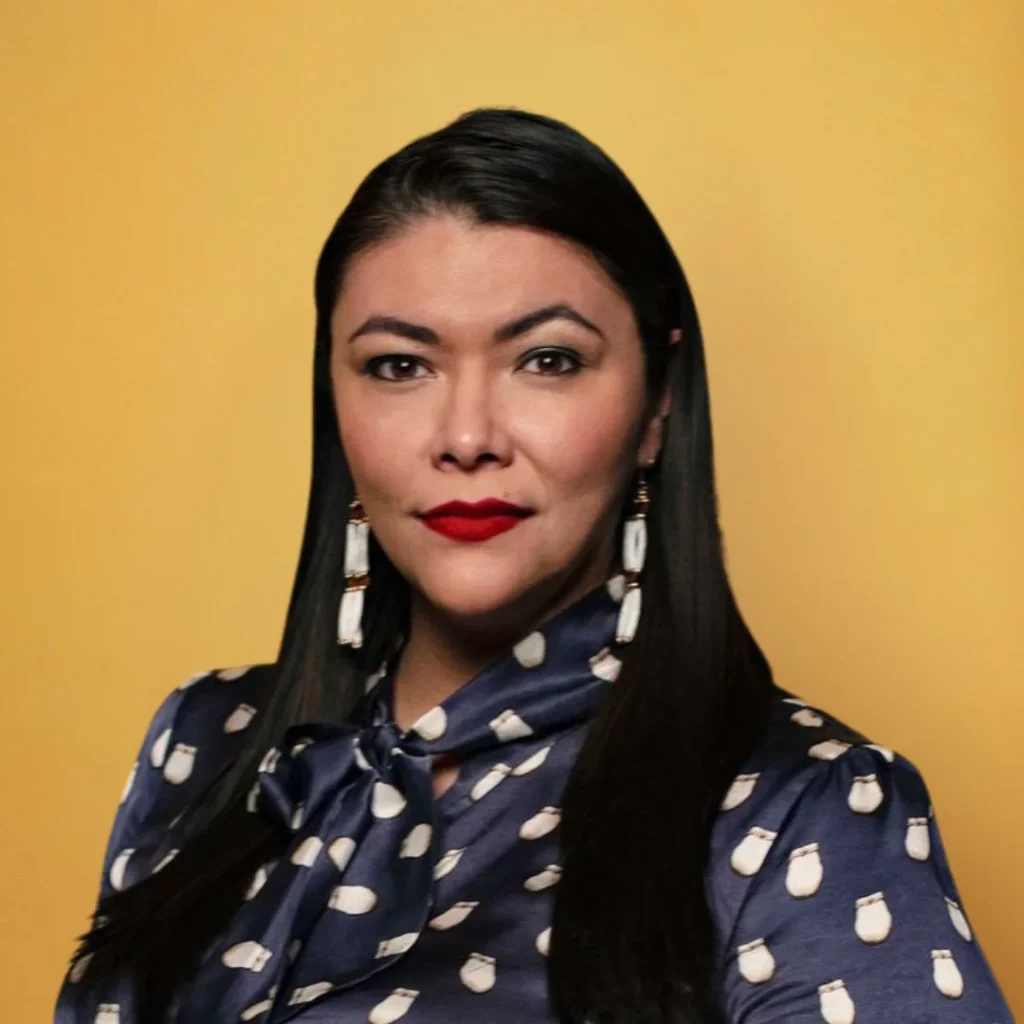
Dr. Desi Small-Rodriguez is a citizen of the Northern Cheyenne Nation and Chicana. She is a social demographer and Data Warrior whose research and praxis center on rebuilding data by Indigenous Peoples for Indigenous Peoples.
She is faculty at the University of California, Los Angeles, Director of the Data Warriors Lab, and Co-Director of the Indigenous Data Alliance.
She is a proud mama, deadly auntie, and good relative. You can find her getting Indigenous data back into Indigenous hands somewhere in between LA, Aotearoa New Zealand, and her tribal homelands in Montana.
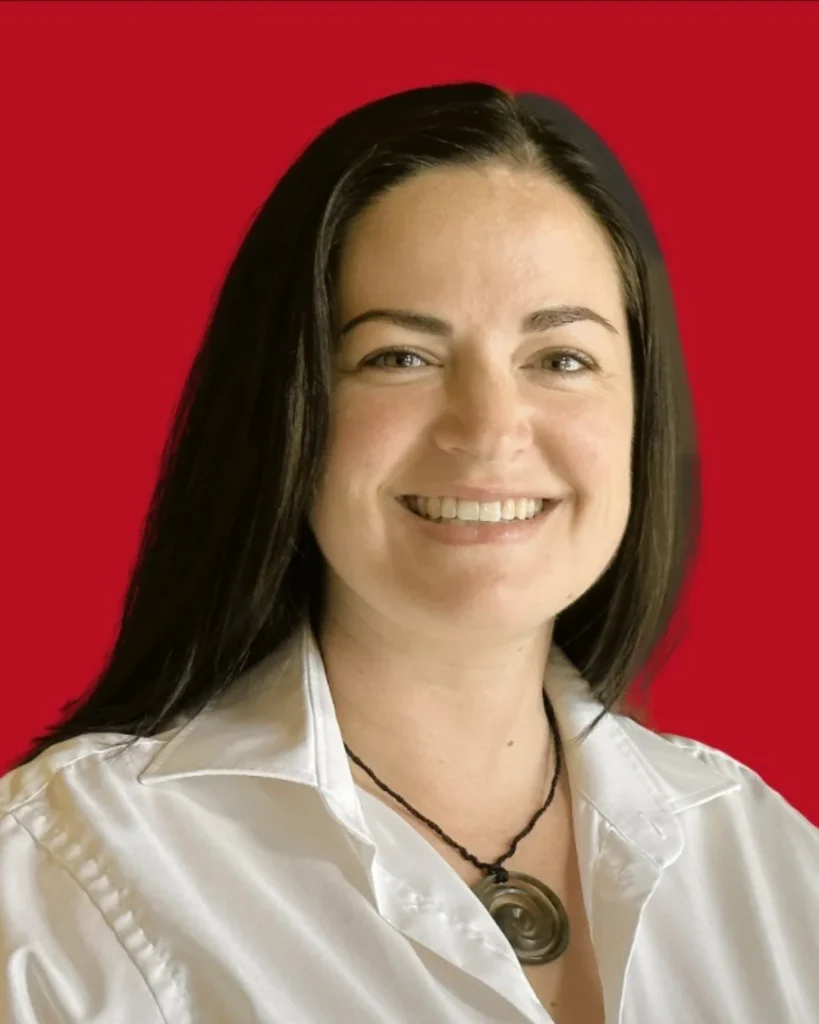
Meg Smith (Ngāpuhi, Waikato Tainui; Ngāi Tāwake, Ngāti Mahuta) is CEO of Cloverbase, an author, governor, and technology strategist. She is known for connecting people, ideas, and technology to help organisations achieve their purpose. Drawing on experience across the Google and Microsoft ecosystems, Meg works with leaders to realise the potential of AI and emerging technologies in ways that create meaningful outcomes for people. She is passionate about creating pathways for Indigenous voices in technology, ensuring Indigenous communities are not only users of technology but leaders in shaping its future.
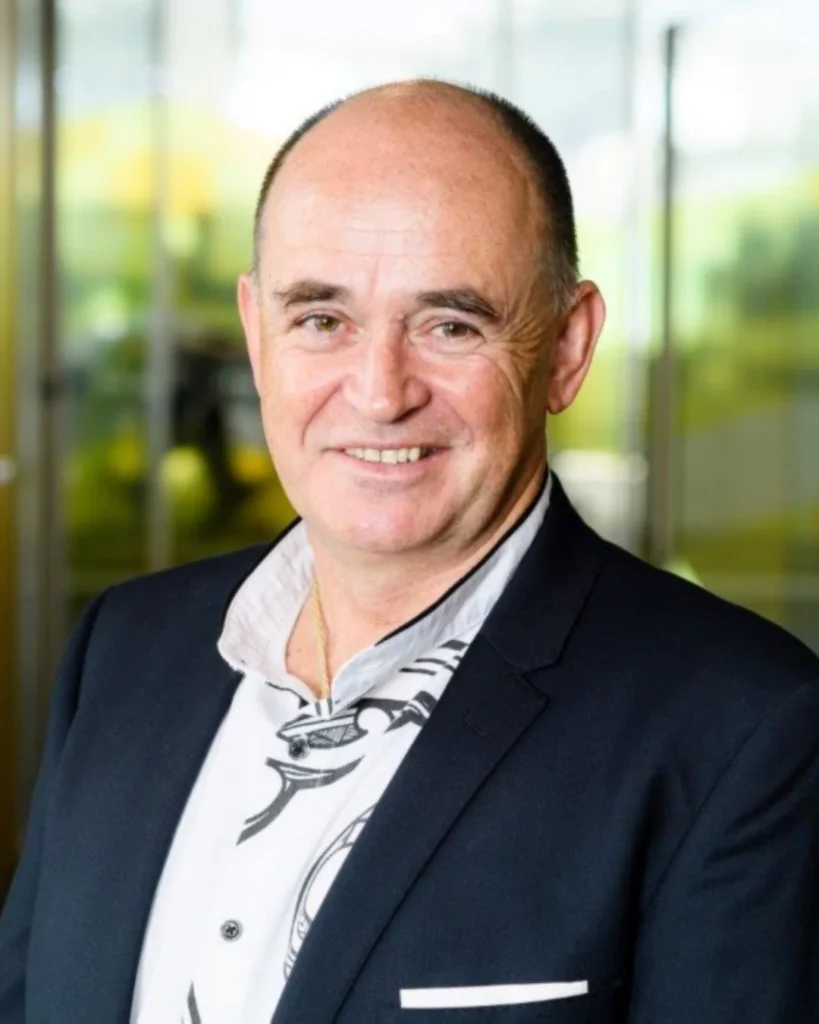
Prof. Te Taka Keegan is the first and only Māori Professor of Computer Science.
He works in the Department of Software Engineering at the University of Waikato, where he serves as Associate Dean Māori for Te Wānanga Pūtaiao (Division of Health, Engineering, Computing, and Sciences), and Co-Director Māori of the University of Waikato's Artificial Intelligence Institute.
His pioneering work lies at the intersection of computer science and te reo Māori. His focus on integrating te reo Māori into digital platforms ensures its vitality in the modern world, making technology more accessible to Māori speakers and setting a precedent for Indigenous language integration in digital platforms globally.
He was awarded Living Icon at the 2025 Matihiko Awards in recognition of his contribution to te ao matihiko.
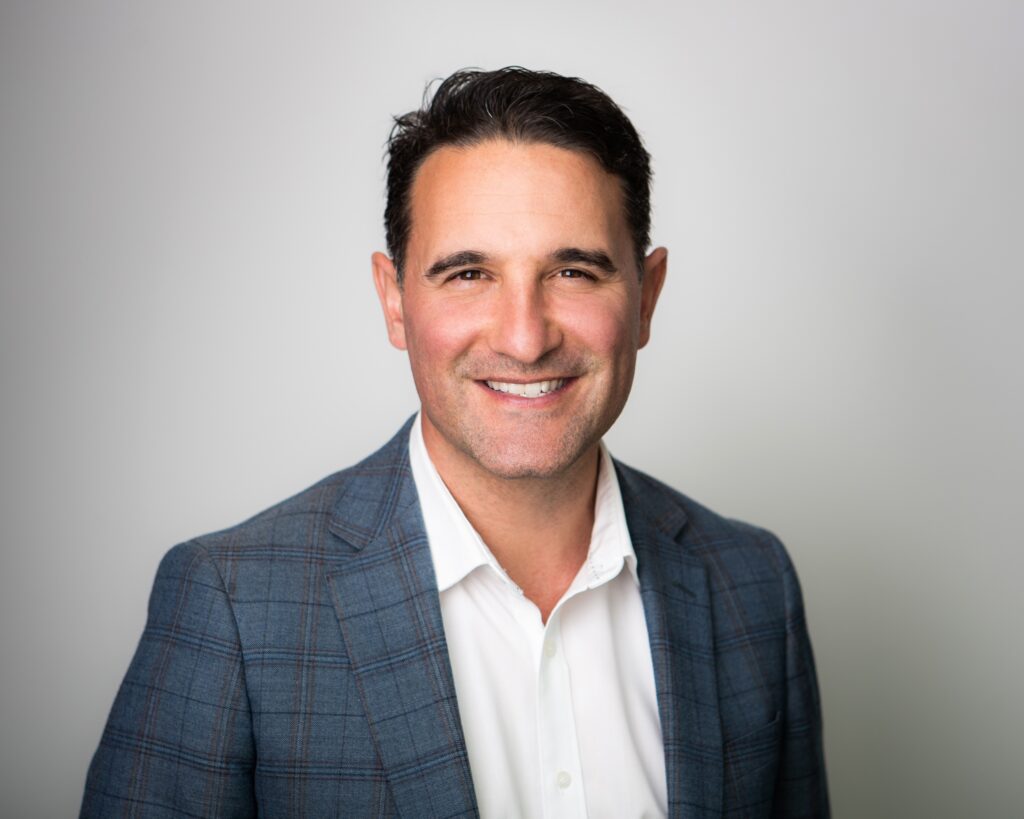
Dan Te Whenua Walker (Ngāti Ruanui) is founder and Chief Executive of Te Whare o Toitū AI, a kaupapa Māori AI company. He spent several years at Microsoft before leaving to build technology grounded in Māori values and data sovereignty. He chairs the Child Cancer Foundation board and is a director of Tātaki Auckland Unlimited, Ngāti Ruanui Holdings and NZ Māori Tourism, and a variety of community and NFP governance roles. He holds an MBA from Auckland University, a Masters in Advanced Leadership Practice from Massey University, a Masters in Māori and Indigenous Leadership from Canterbury University and is a doctoral candidate at Te Whare Wānanga o Awanuiārangi researching Indigenous approaches to AI.
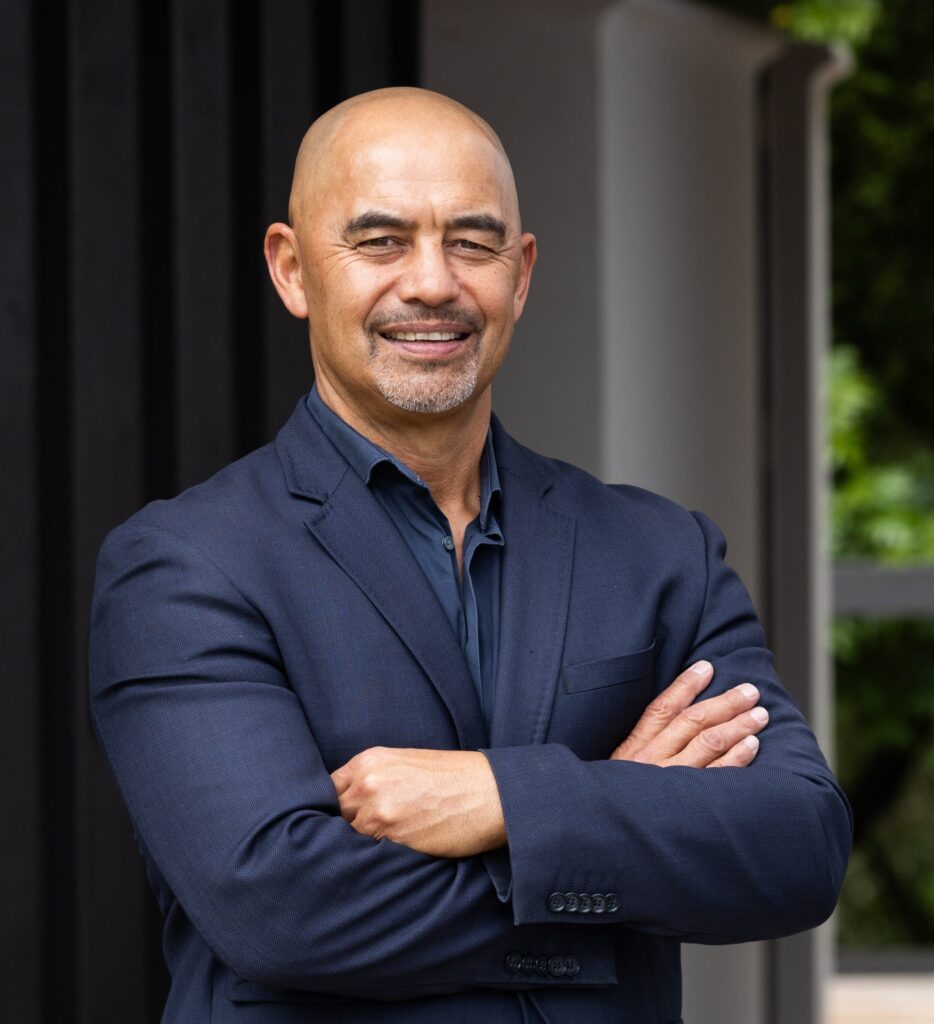
Steven Renata (Ngāpuhi, Ngāti Pakahi, Ngati Rehia) is Co-Owner and Managing Director of KIWA Digital, a New Zealand technology company at the forefront of digital storytelling, media localisation, and Indigenous language preservation. He leads product strategy, business development, and partnership work spanning Māori, Pacific, First Nations, and Aboriginal communities worldwide, helping Indigenous nations put governance of their own language, data, and cultural knowledge into their own hands through technology.
Prior to KIWA Digital, Steve spent nearly two decades in global leadership roles with Les Mills International as a founder rising from International Master Trainer to CEO of Les Mills West Coast USA. Complimentary to this Steve brings two decades of governance experience across the public, private, and NGO sectors, including as Co-Chair of WDC Toi Mai, a Panel Member for ACC's Whānau Ora Pūmau, a former NZIST Subsidiary Board Member (MIT and UNITEC), Rūnanga Advisory Board Member at UNITEC, Trustee of Mangaiti Marae, Kaeo and previously chaired the Māori Advisory Committee at Kaiponapona Aotearoa (Arthritis NZ).
His work has earned the He Kai Kei Aku Ringa Award for Māori Excellence in Export and the Minister of Defence Kotahitanga Award, and in 2021 he was named among the top 10 most influential figures in global localisation. Steve holds a Master of Commerce in Marketing from the University of Otago. where he was among the first Māori graduates of the programme.
A former Guinness World Record holder in indoor cycling, Steve brings both strategic depth and a global Indigenous-tech perspective to conversations on AI, data sovereignty, digital self-determination and Hauora.
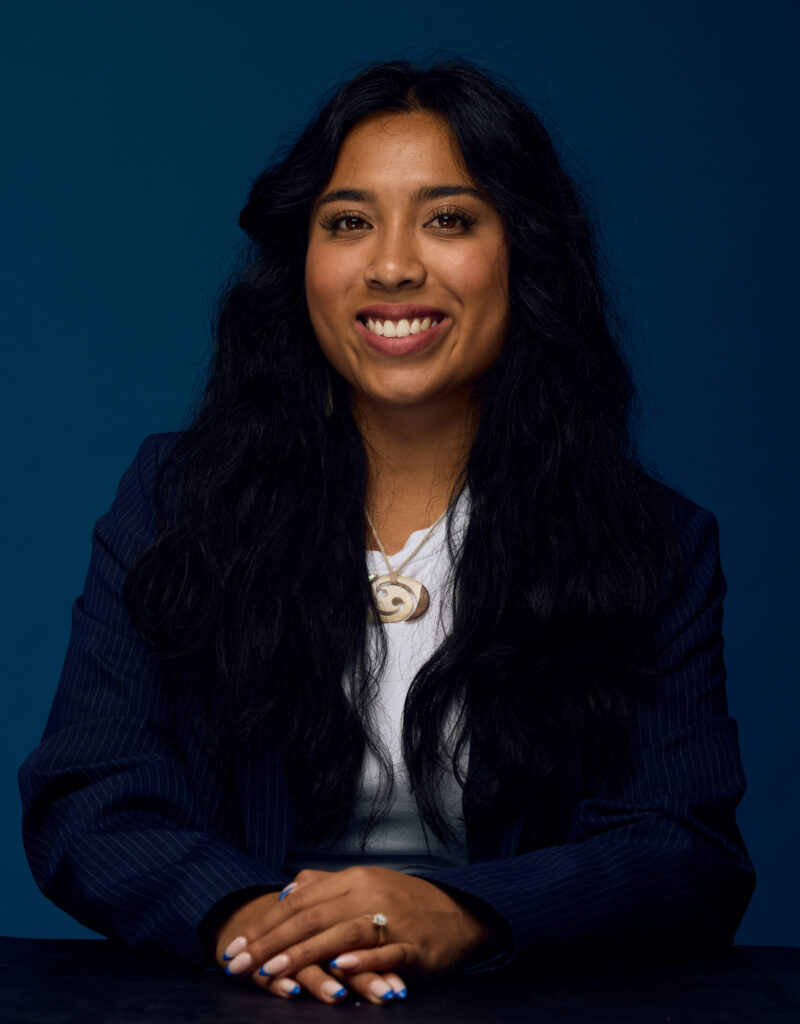
Aleisha Amohia (Te Ātihaunui-a-Pāpārangi, Ngāti Maru, Ngāti Hāua, Cambodia, India) (she/her) is a Technical Lead at Catalyst IT. She has worked with open source library and collections platforms since 2014. Her role has encompassed many responsibilities, from development to solution architecture, as well as consulting, training, and presenting around Aotearoa and overseas. Aleisha is passionate about open source software, Indigenous data sovereignty, ethical technology, and online safety, and regularly weaves these threads into her work. She is also an advocate for gender justice and Indigenous rights and was recognised as a Kiwibank New Zealander of the Year Local Hero Medalist 2025 for her efforts in this space. She contributes to these areas through governance and leadership roles with community groups, including Innovative Young Minds, Asia New Zealand Foundation Leadership Network, and Global Shapers Wellington. Aleisha was proud to represent New Zealand as the NGO delegate to the United Nations Commission on the Status of Women in 2024. She holds a Bachelor of Science (Computer Science & Artificial Intelligence) and a Bachelor of Commerce (Management & Information Systems) from Te Herenga Waka - Victoria University of Wellington.
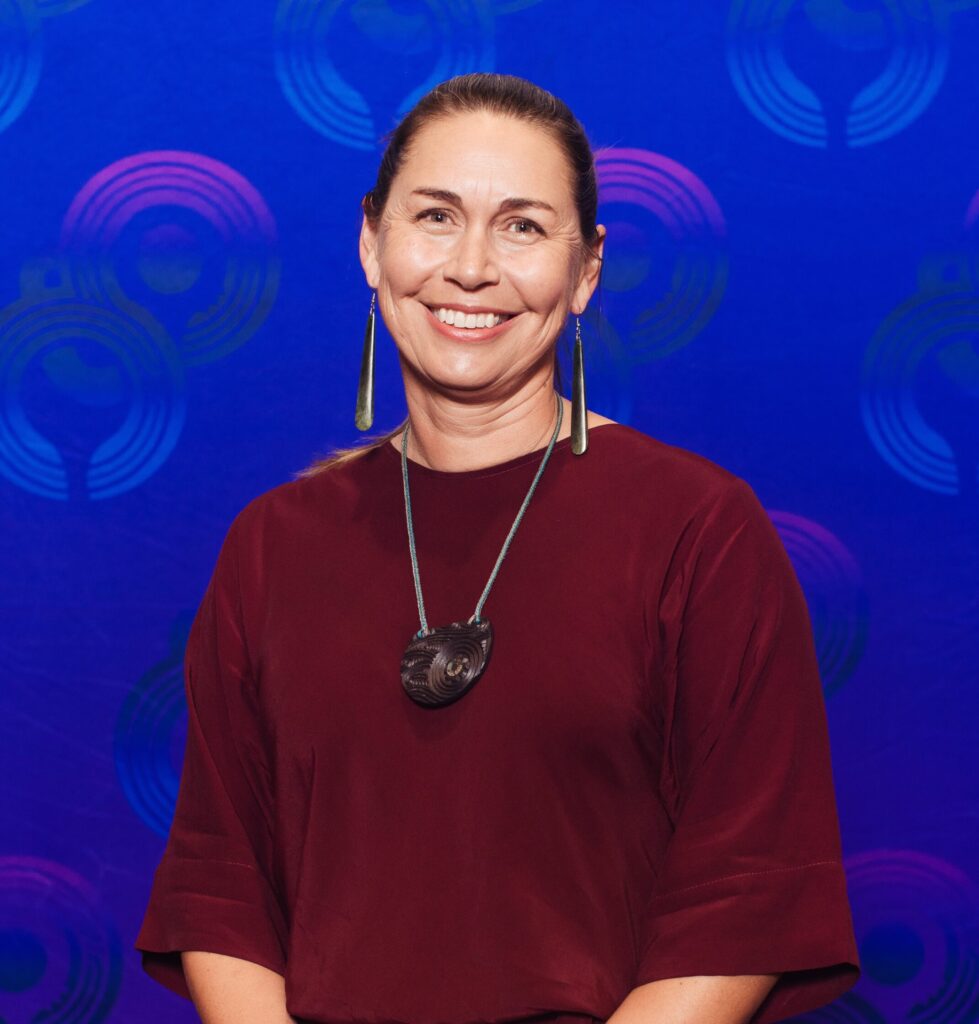
Shanon O’Connor (Ngāti Porou, Ngai Tahu) is the Founder and Director of Tōnui Collab, a STEMM Education partner creating reo rua STEMM learning opportunities for taitamariki so that they might explore the diversity of STEMM through culturally affirming learning experiences, collaborating with the community to bring ancestral narratives to life and creating space for young people to transition from passive technology consumers into creators, building meaningful, culturally rich digital artefacts or utilising STEMM tools to build values-led solutions. Shanon O'Connor is also a 2026 Atlantic Fellow of Social Equity, taking part in a transformative Indigenous-centred fellowship program based at the University of Melbourne.
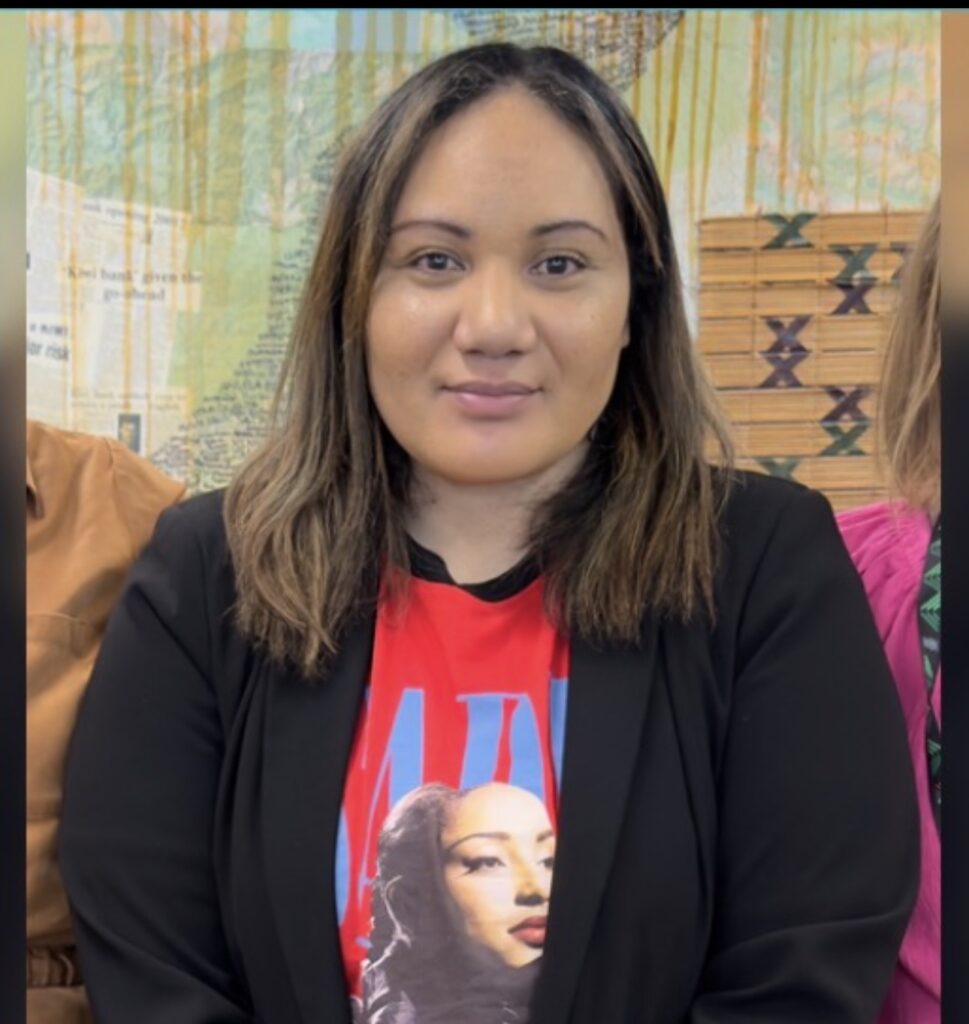
Tracey Savelio is a Tokelauan data and technology practitioner, raised in Porirua and Wellington, with deep roots across all three atolls of Tokelau. She is a Senior Enterprise Data Steward at Kiwibank, Co-Founder and Head of PR at Sovata AI, Founder of Inati Labs and Tokelau In Tech, and a member of the Pacific Advisory Panel for AI Forum New Zealand.
Her work spans enterprise data governance, responsible AI, Pacific data sovereignty and community-led innovation. Guided by the Tokelauan principle of Inati - sharing according to need. Tracey advocates for culturally grounded, community-led AI supported by locally controlled infrastructure, protecting community authority over data and knowledge.
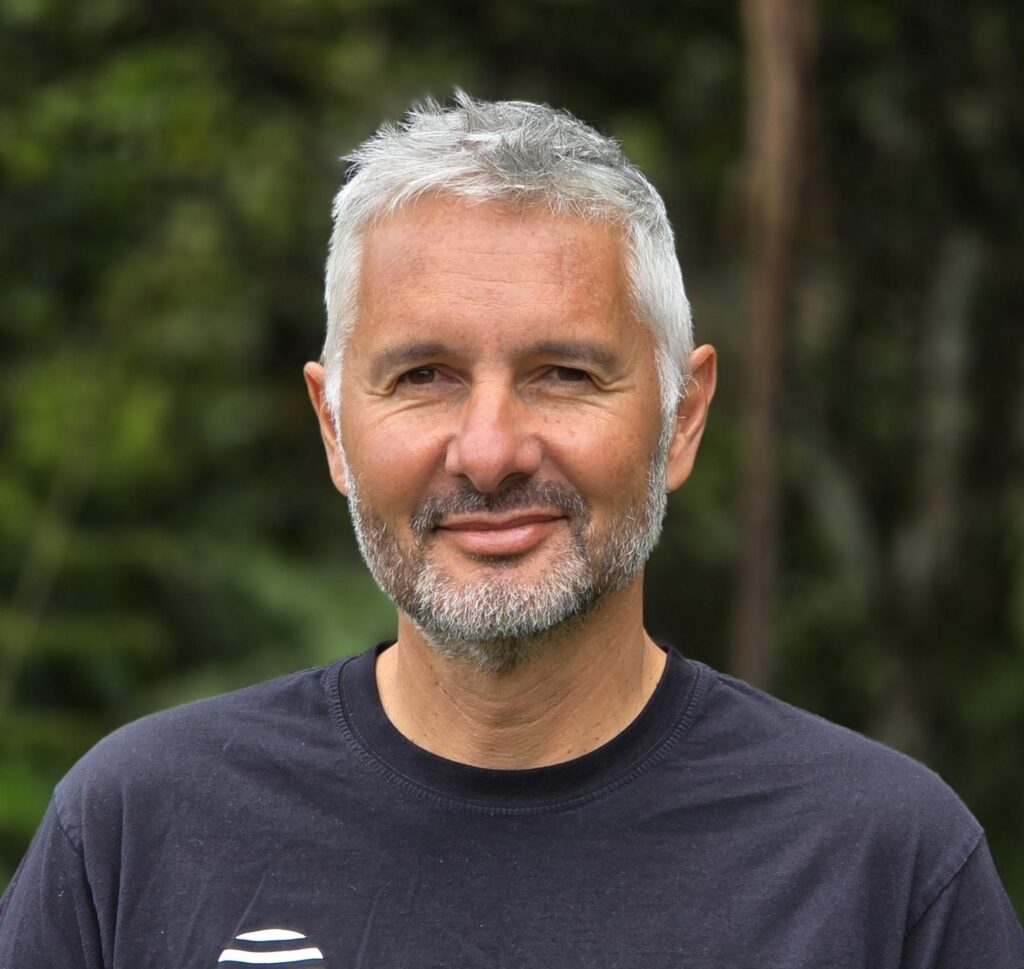
Mike Taitoko (Maniapoto, Ngāti Waiora) is the founder and CEO of Takiwā Analytics, an Indigenous data platform closing the information gap between iwi and Māori organisations, government agencies, researchers and the private sector.
Takiwā's award-winning geospatial platform, TAIAO, was built to tackle the climate and environmental crisis from the frontline, with Indigenous data sovereignty principles at its core.
His work has taken him deep into regenerative systems, nature-based solutions, and the role of Indigenous peoples in solving the interconnected crises facing our taiao and food systems.
With eleven mokopuna, his day job is now a lifelong mission!
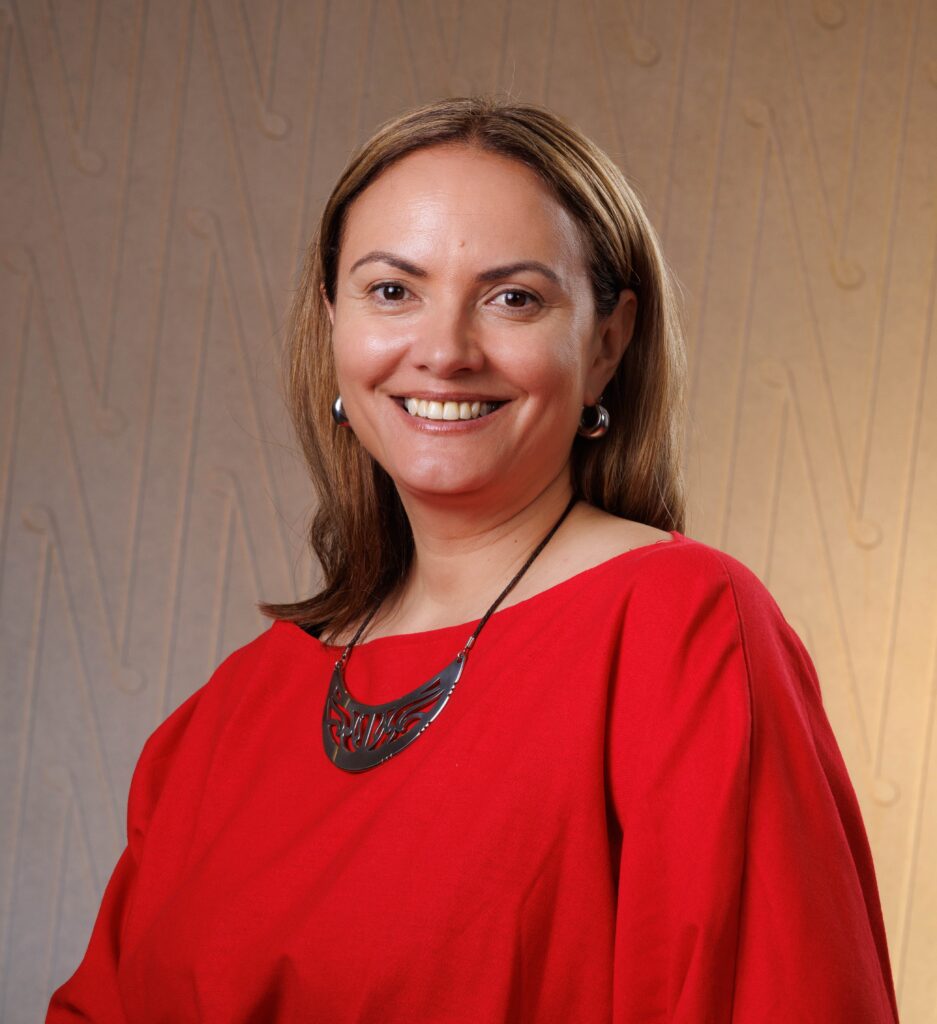
Kirikowhai Mikaere (Tūhourangi, Ngāti Whakaue) is a Māori data and information specialist whose work is driven by a simple but powerful conviction: that data about Māori communities should serve Māori futures, not measure their deficits.
Over a career spanning more than 25 years, she has advised Ministers, government agencies, iwi, and communities on statistical analysis and place-based data solutions - Her work combines technical expertise with a deep commitment to tino rangatiratanga. She leads Te Kāhui Raraunga and serves as lead technical advisor to the National Iwi Chairs Forum – Data Leadership Group, and was a founding member of Te Mana Raraunga, the Māori Data Sovereignty Network.
Kirikowhai brings the same values to governance as she does to her work. She chairs the Tūhourangi Tribal Authority, serves as a Trustee of Te Pumautanga o Te Arawa, and has held positions on the New Zealand Science Board and the 2023 Census Programme Board. She has previously held roles as a senior advisor to the Government Statistician and private secretary to the Minister of Statistics - a grounding in the machinery of the state that informs, rather than constrains, her advocacy for iwi-led data sovereignty.

Nicole Retter (Muaūpoko) is the Founder and CEO of PAM, a tech company on a mission to reduce the mental load of modern family life. With more than 20 years’ experience across marketing, strategy and digital, Nicole became a tech founder after experiencing first-hand just how overwhelming the invisible work of running a family can be.
Since launching PAM in 2025, Nicole has grown the platform to tens of thousands of families in Aotearoa and beyond.
PAM was named Emerging Innovator at the 2025 Matihiko Awards and was a 2026 NZ Hi-Tech Awards finalist for both Software Innovation and Māori Company of the Year.
As a wahine Māori building an ambitious global technology company from Aotearoa, Nicole is passionate about Māori seeing ourselves not just participating in tech, but creating it, owning it and shaping where it goes next.
She’s also a mum of two, a proudly messy-action founder, and a big believer that you don’t need to know exactly what you’re doing before you start - you just need to start.
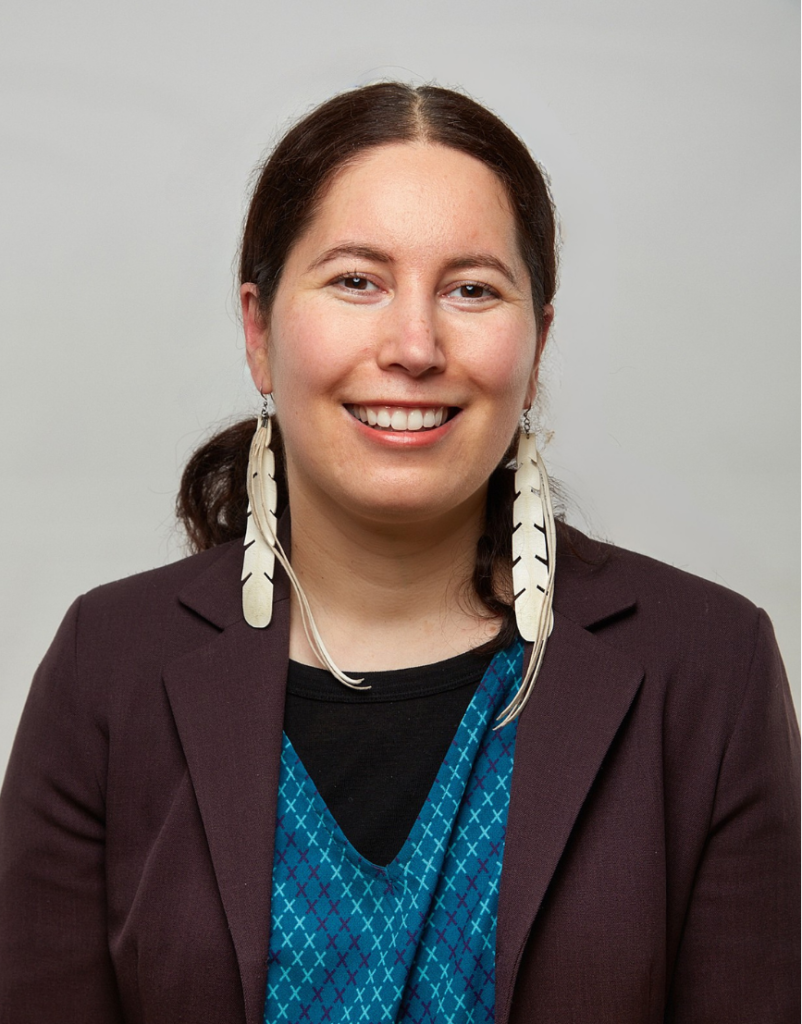
Ernestynne Walsh is a trustee of Te Taumata, which provides an authentic Māori voice on New Zealand's international trade. She works at the intersection of Indigenous trade, digital innovation, and emerging technologies, supporting Indigenous economic development through digital and digitally enabled trade.
Ernestynne has presented on Indigenous digital trade and artificial intelligence at the World Trade Organization Public Forum and was a member of New Zealand's Agentic AI Mission to China.
With experience developing AI models and automated decision-making systems in the public sector, Ernestynne brings both strategic and practical expertise to the responsible use of emerging technologies. As AI Lead for Toi Hau Tāngata (Social Investment Agency), she focuses on the safe, ethical, and effective adoption of AI across the public service.
Ernestynne led the team that received the inaugural Te Hapori Matihiko Public Sector Award for He Ara Poutama mō te Reo Māori, an innovative microsimulation tool that forecasts future numbers of te reo Māori speakers within communities and models a range of scenarios to support and accelerate language revitalisation efforts.
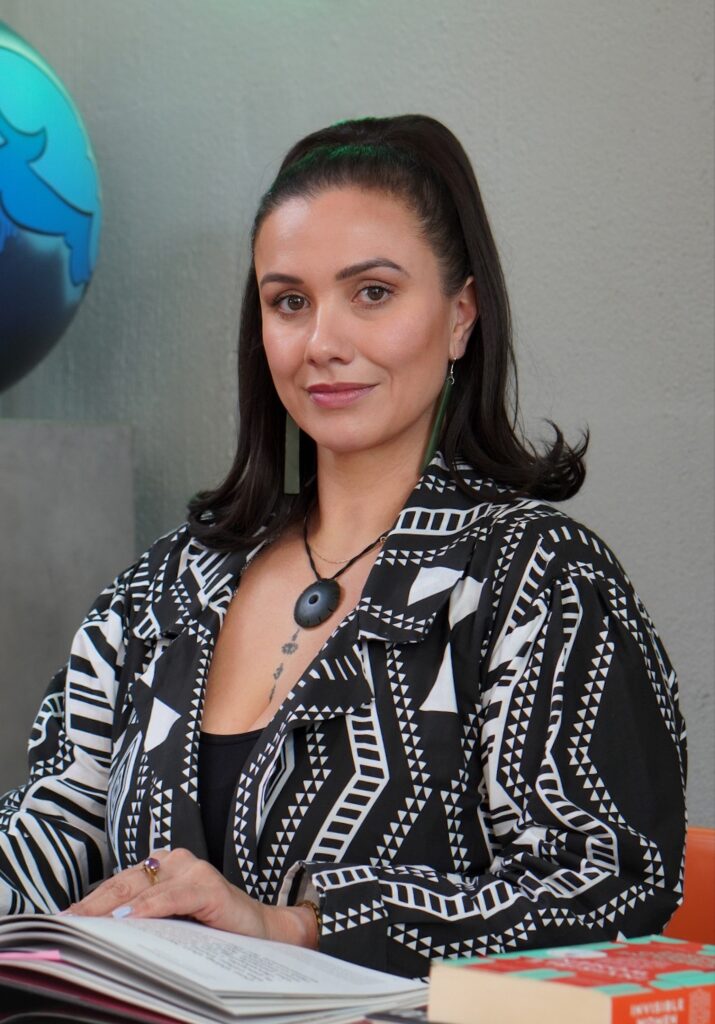
Amber Taylor (Ngāti Mutunga, Te Ātiawa, Tainui, Ngāti Whātua, Ngāpuhi) is an Indigenous Systems Builder and AI Governance Strategist whose career spans grassroots innovation, commercialisation and scaling ventures into global markets.
As founder of Native Sentient, Amber works upstream of the tools, examining the infrastructure, ownership, governance, decision rights and dependencies that determine who holds power, who carries risk and how AI and emerging technologies are shaped.
Her perspective comes from practice. She has led technology ventures, worked across research and commercialisation, assessed multimillion-dollar innovation investments, and advised organisations, founders and communities. That experience has given her direct exposure to the commercial, operational, cultural and reputational consequences of getting governance and system design wrong.
Amber developed the concept of Governance Debt to describe the risk that accumulates when technology adoption outpaces governance, capability and accountability.
Her work is underpinned by a clear proposition: the architecture of technology would be different if Indigenous ways of understanding relationships, responsibility, interdependence, stewardship and consequence were embedded at the point systems are designed.
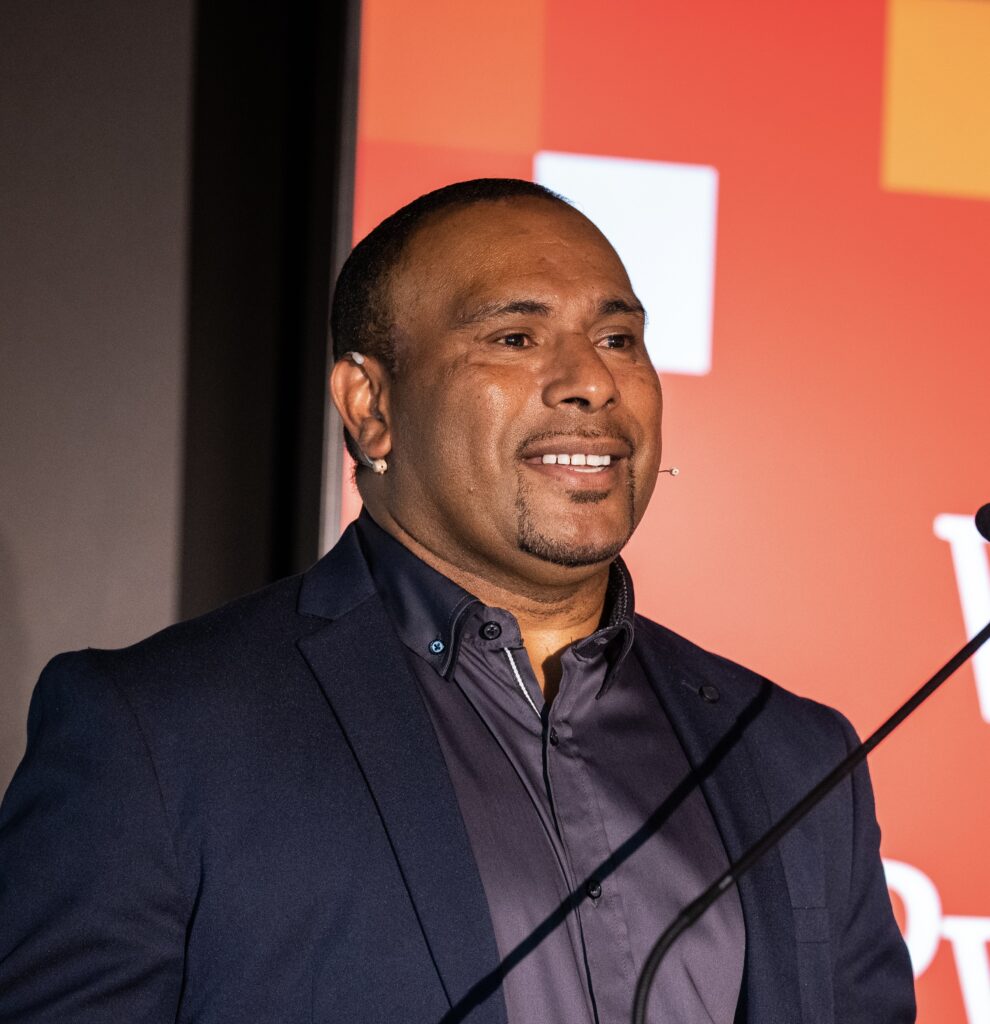
Ivan Tava is a senior leader and independent consultant working across public sector strategy, partnership, innovation and community-led development. He is currently Pou Hononga, General Manager Partnership Innovation and Insights at Environment Canterbury, where he leads work to strengthen partnership systems, measurement, mātauranga Māori and organisational practice. Ivan is also the Chair of the Pacific Data Sovereignty Network and member of the AI Forum Pacifc Advisory Group.
Ivan is of Papua New Guinean and Samoan heritage and brings a strong Pacific perspective to his work. His career has included senior leadership, strategy and advisory roles across government, business and community organisations. He has a particular interest in how Indigenous knowledge, data and technology can support better decisions, stronger institutions and more equitable outcomes.
Ivan holds a degree and two master’s qualifications, including an MBA. He is based in Ōtautahi Christchurch with his whānau and remains actively involved in kaupapa Māori, Pacific development and community initiatives. He also supports work focused on economic development, innovation, rangatahi and whānau.
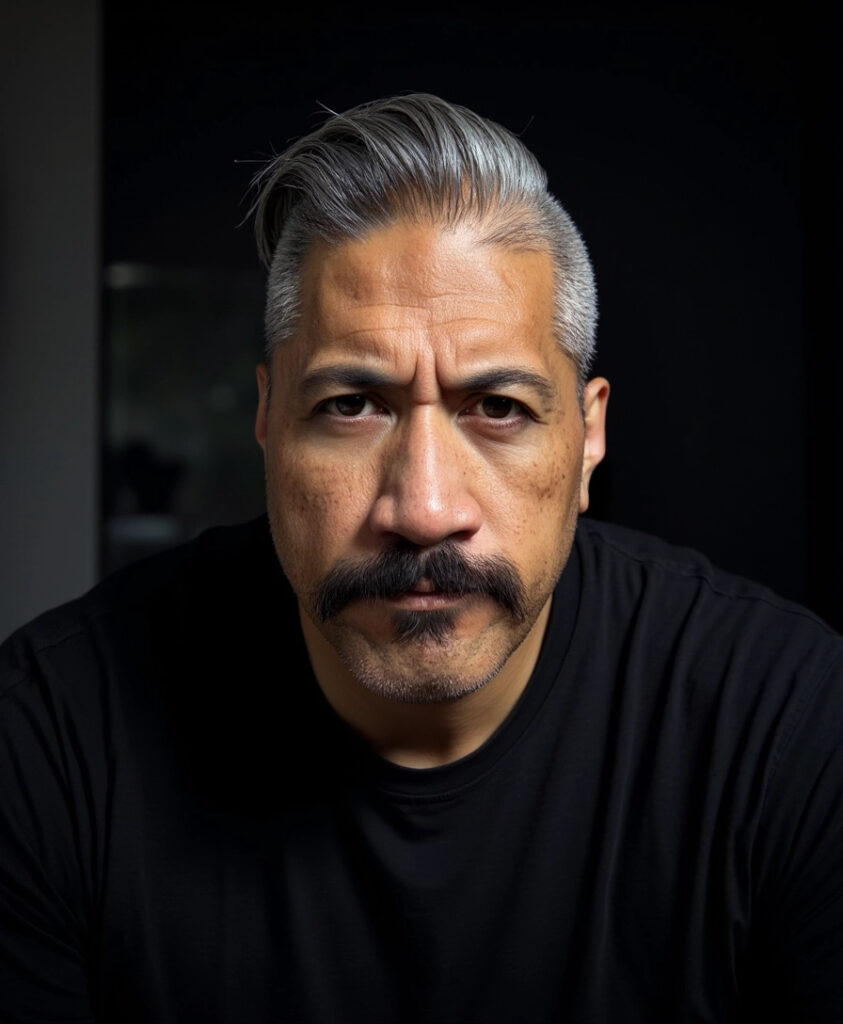
Ali'imuamua Ron Amosa builds infrastructure for the empire, and sees exactly how it breaks from the inside.
A Pasifika technologist with more than two decades building, securing and scaling systems across SRE, security engineering and solution architecture. As a contract senior SRE he designed and delivered full dev-test-prod platforms on Kubernetes across AWS, Azure and GCP for banks and insurers, and as a senior security engineer he assessed platforms at Salesforce, Heroku and Mulesoft. Today he is the first and only Senior Partner Solutions Architect for the Pacific at Amazon Web Services, working in AI, containers and cloud security. Beyond Big Tech he founded the Pasifika Tech Education Charity in 2019 and has spent years advising Pasifika community groups across Auckland and supporting Māori-led initiatives. He writes The Uncommon Engineer, a fortnightly newsletter on AI, power and technological sovereignty. The work bridges technical depth and adversarial awareness with community impact — writing, speaking and building toward technology that serves the people, not serves them up to the tech overlords. A proud Samoan, Tuvaluan and Chinese New Zealander. Husband, father, BJJ black belt, and former professional drummer.

Léon Bristow is a Māori Samoan creative leader using storytelling and design as tools for inclusion, equity, and change. As an Art Director at Colenso BBDO, and Founder of BEINGS, a casting platform championing underrepresented talent, Léon is reshaping how stories are told, and who gets to tell them. At just 30, Léon has become one of the most recognised young creatives in the world. Listed on Forbes 30 Under 30, ranked the 4th Best Art Director globally at Cannes Lions, and a finalist for Young New Zealander of the Year, Léon’s accolades reflect both vision and impact. His work spans brands including Under Armour, Samsung, Volkswagen and Sony Pictures, earning multiple international awards and Grand Prix, alongside work as a judge, speaker, and mentor. Through creative practice, advocacy, and leadership, Léon is creating greater space for others to be seen, heard and celebrated.
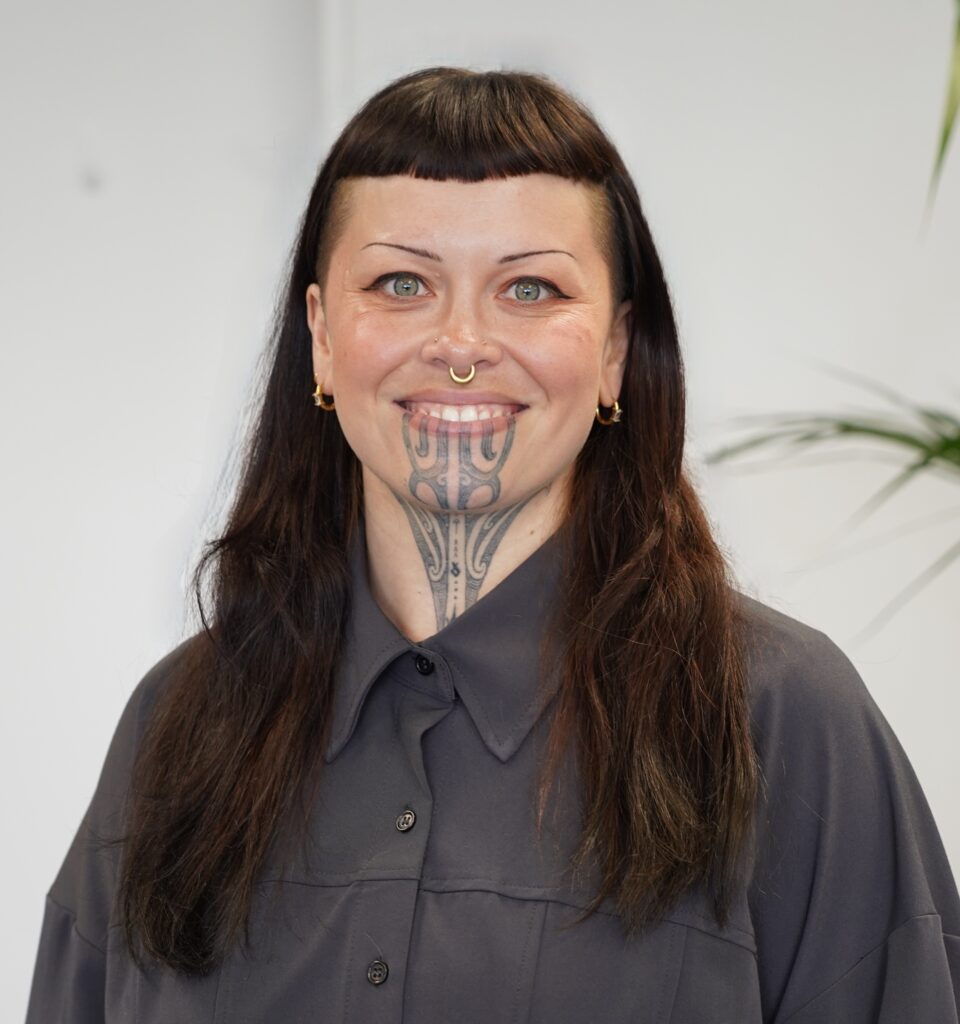
Ana McAllister (Te Aitanga a Māhaki). She serves as the Community & Public Policy Manager at InternetNZ, where
she leads strategic work at the intersection of technology, public policy, and community empowerment. Ana specialises in translating complex technical concepts into accessible frameworks for diverse audiences, from government to grassroots. Her professional focus is on ensuring equitable access, meaningful participation, and protection in internet spaces.
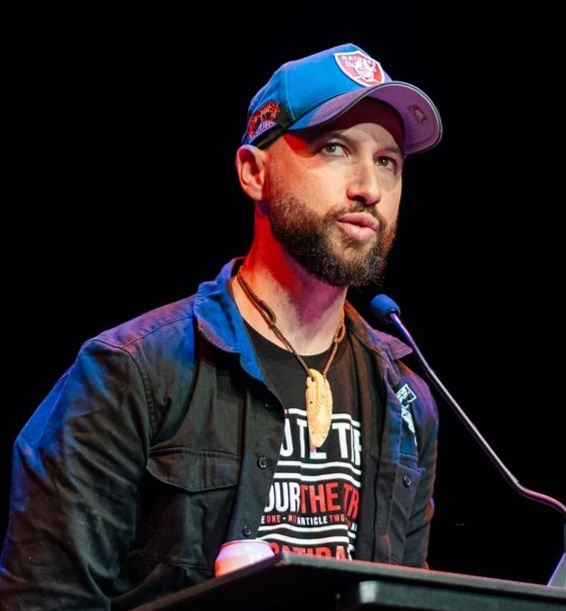
Pera is the founder of Kaha Create - a kaupapa Māori grounded A*LMS - Actionable Learning and Mātauranga System, Shoebox Christmas Aotearoa - a community powered kaupapa responsible for over 200,000 acts of aroha and kōtahitanga - connecting communities and showing our tamariki we care at Christmas, and Koha Tree - a digital platform powering community-led initiatives.
He is the AI and innovation lead at Te Wānanga o Raukawa, a father, husband, an author, carver, and contributes across various iwi leadership, governance and business director roles.
He is an alumni of the Kiwibank New Zealander of Year and Te Hapori Matihiko Māori in tech awards.
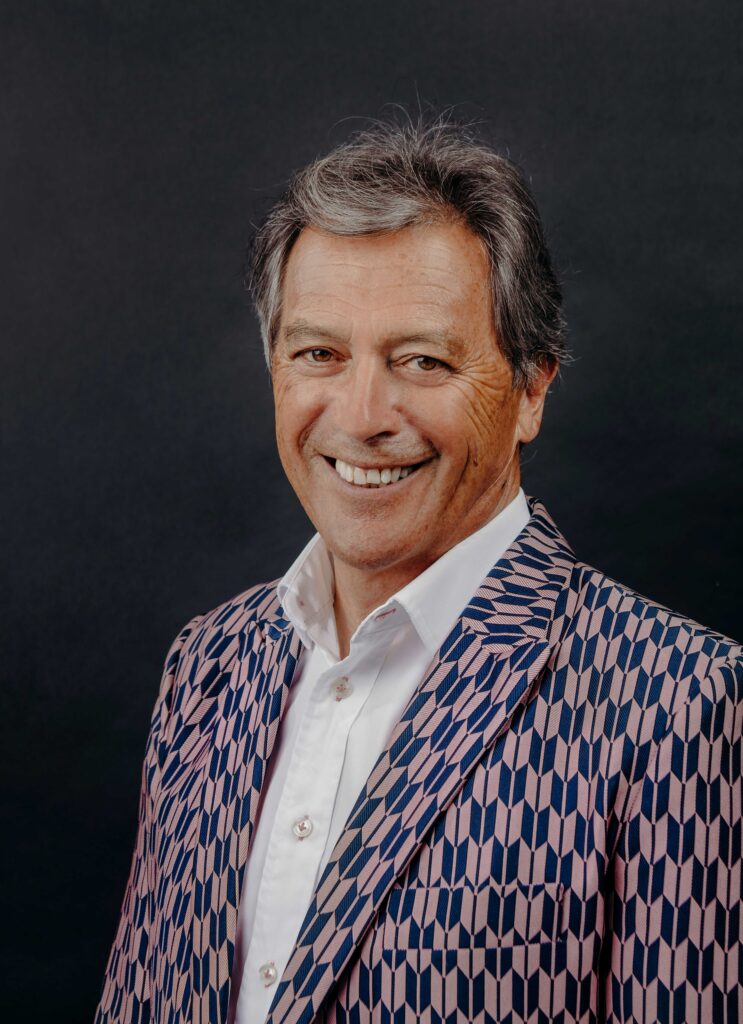
Ian Taylor’s journey is a remarkable reflection of New Zealand's technological and cultural evolution.
Raised in a small East Coast village on the North Island, Ian experienced the arrival of electricity at his home at age seven in 1957, followed by the telephone a few years later. Unbeknownst to him, just three years after these transformative developments, New Zealand welcomed its first computer - marking the beginning of a digital revolution he would become a significant part of.
Ian’s early years were marked by a diverse range of experiences. From working in the freezing works during school holidays to performing as a rock and roll singer through the vibrant 60s and 70s, he embraced the cultural and social shifts of the times. His life took another turn when he was called up for army service, eventually leading him to complete a law degree by 1980. Despite his legal education, Ian's career trajectory shifted dramatically as he ventured into television, witnessing and contributing to the industry’s leap from black-and-white film to the digital age.
In 1990, Ian founded Animation Research Ltd (ARL) in Dunedin. Starting with little more than a handshake agreement with the Vice Chancellor of the University of Otago, ARL made its mark by purchasing its first hard drive for $15,000—a 1GB behemoth by today’s standards. The technological milestones continued, with their computer for the 1992 America's Cup the size of a small fridge and costing half a million dollars. Today, the same capabilities fit in a mobile phone, illustrating ARL’s role in driving technological progress.
ARL has since become a global leader in innovative technology solutions, covering major sports events worldwide and branching into diverse ventures. They built an air traffic control simulator for Airways New Zealand, an F1 Race Car simulator for a leading team, and various online platforms for global mining companies and tech giants—all without prior experience in these fields. Ian credits his team’s open-mindedness and ‘can-do’ spirit, reflecting the ingenuity of New Zealand’s approach to problem-solving, as encapsulated in the quote from Lord Ernest Rutherford: “We didn’t have the money, so we had to think.”
In 2019, Ian launched the Land of Voyagers project, which he considers his most significant work. This initiative celebrates the Polynesian journey to Aotearoa, aiming to educate New Zealanders about the extraordinary voyages of their Polynesian ancestors.
Ian’s contributions have been widely recognized. Holding an LLB from the University of Otago, he was inducted into the New Zealand Hi-Tech Hall of Fame in 2009. In 2010, he was named New Zealander of the Year by North & South magazine and received an Honorary Fellowship of the New Zealand Computer Society. The New Year Honours of 2012 saw him appointed a Companion of the New Zealand Order of Merit, and he was awarded the Creative Sector accolade at the World Class New Zealander Awards. Acknowledged as Outstanding Māori Business Leader in 2013, Ian continued to gain recognition as New Zealand Innovator of the Year in 2019.
In 2021, Ian was knighted as a Knight Companion of the New Zealand Order of Merit for his services to broadcasting, business, and community. Despite his accolades, Ian remains modest, claiming to possess no special skills and attributing his success to the fortunate timing of being in the right place with the right people. He humorously suggests that his location at the bottom of the world has kept scrutiny at bay, allowing his small but brilliant team to achieve remarkable feats.

Ava Williams is a Customer Manager for Māori Business at New Zealand Trade and Enterprise (NZTE), supporting Māori businesses to grow internationally across technology, innovation, and other high-growth sectors. She works alongside Māori exporters to build capability, strengthen global connections, and identify opportunities in overseas markets.
With a background in commercial sales, enterprise service management, and relationship management, Ava brings a practical understanding of business growth, innovation, and long-term value creation. She is passionate about advancing Māori economic development and helping Māori entrepreneurs take their products, services, and ideas to the world while remaining grounded in their culture, values, and identity.
Through her work, Ava advocates for Indigenous-led approaches to business growth, recognising the importance of trust, relationships, and shared prosperity. She is particularly interested in how technology and innovation can create opportunities for Māori businesses and communities, strengthen partnerships, and support long-term commercial success.
In 2025, Ava was a finalist for the Public Sector Award at the Matihiko Awards, recognising Māori excellence in the digital and technology sector.
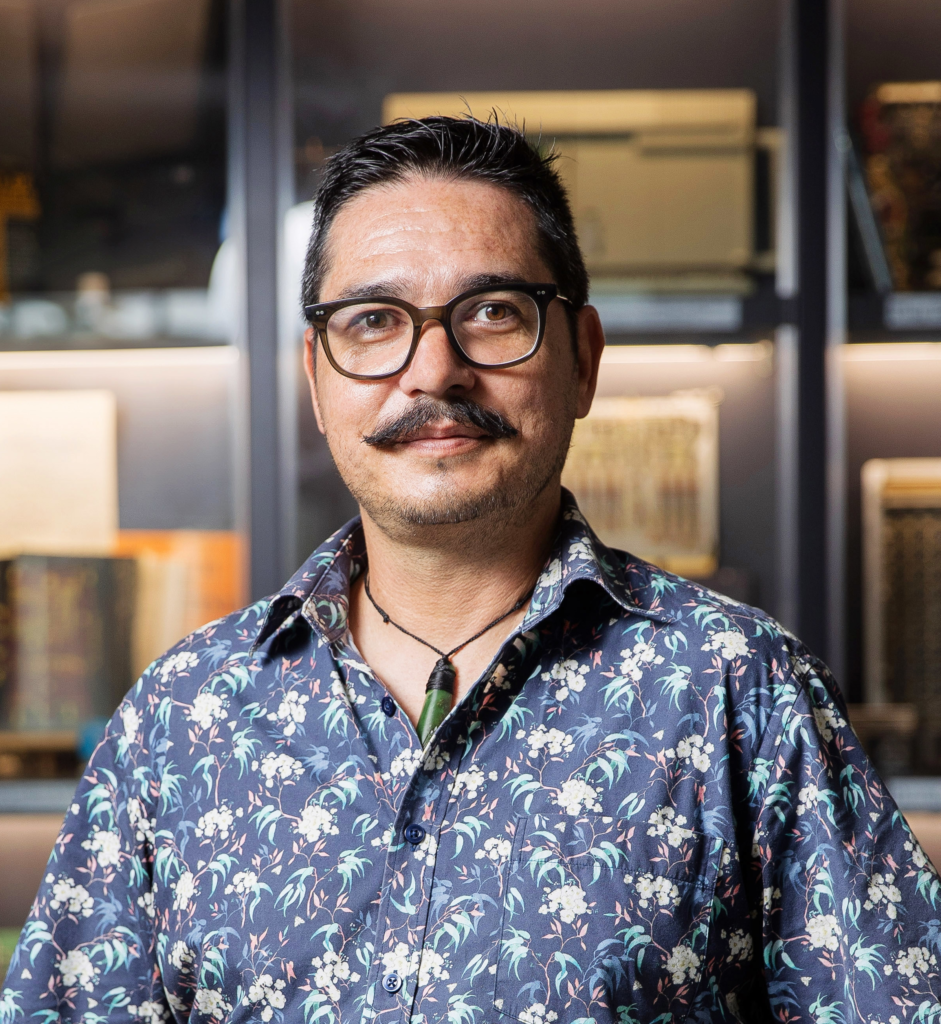
Daniel Wilson (Ngāpuhi, Ngāti Pikiao) is an AI researcher whose work focuses on Māori data sovereignty, Māori algorithmic sovereignty, and the governance of emerging technologies. He lectures in Computer Science at the University of Auckland, where he is Associate Dean Māori, is a member of the Kāhui Māori of the AI Forum, is Pou Pae Auaha at Ngā Pae o te Māramatanga, and is Co-Director of the Centre of Machine Learning for Social Good. Daniel works at the intersection of artificial intelligence, mātauranga Māori, and philosophy, exploring how AI can be developed in ways that uphold Indigenous rights, support self-determination, and create benefits for communities. Through research, teaching, and advisory roles, he contributes to Indigenous-led approaches to AI.
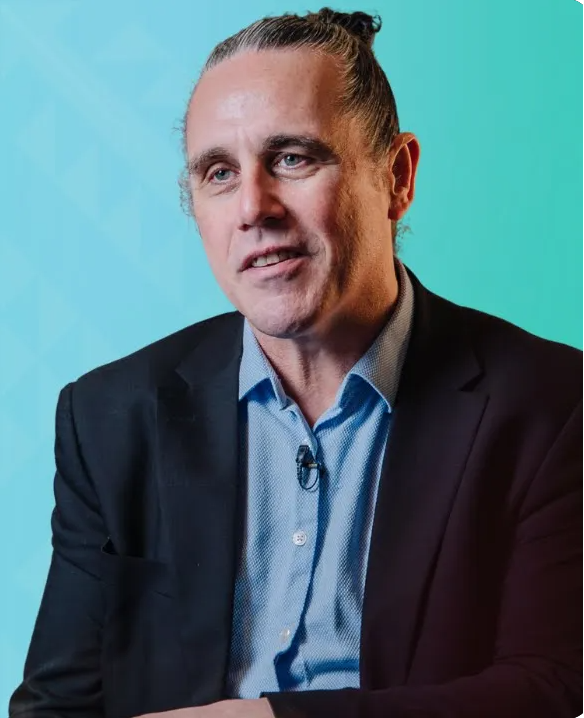
Dr Karaitiana Taiuru is Managing Director of Taiuru & Associates, an Ōtautahi-based consultancy specialising in AI governance, Māori data sovereignty and emerging technology risk. He chairs the NZ AI Forum's Kāhui Māori and co-founded the Institute of AI Governance and sits on several academic and government ethics committees. .
His ethics experience spans genomics, reproductive technology, Data and AI. He is Deputy Chair of the Advisory Committee on Assisted Reproductive Technology (ACART) and holds a Fellowship of Genomics Aotearoa. He also represents Aotearoa on Standards New Zealand committees for international AI, biometrics and IT governance standards (ISO/IEC SC 42, SC 37 and SC 40). His doctoral research on Māori genetic data and tikanga sovereignty produced Tikanga Tawhito: Tikanga Hou, the first published bioethics guidelines for DNA research grounded in mātauranga Māori. He has given expert evidence to the Waitangi Tribunal on tikanga and biotechnology.
Karaitiana has authored several of Aotearoa's foundational Te Tiriti-based frameworks for AI and data. These include the Māori Data Ethical Framework, the Te Tiriti-based AI ethical principles, and the He Tangata, He Karetao, He Ātārangi framework. His 2025 Māori Data Governance Report assessed how government, iwi and industry implement Māori data sovereignty in practice.
A Māori technology pioneer since 1995, he brings three decades of experience ensuring Māori are decision-makers, not just data subjects, in Aotearoa's digital future.
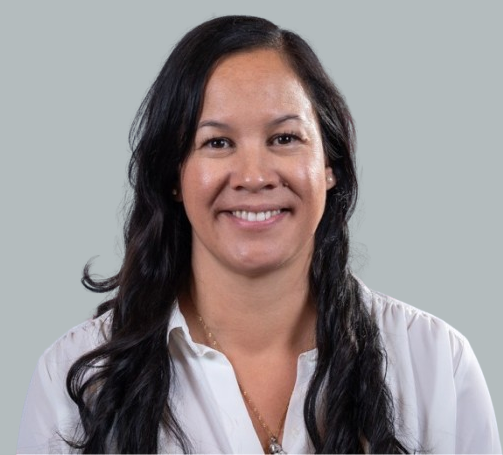
Erin (Baker) Black is Managing Director of Connect, where she specialises in governance, institutional design and enabling the safe, scalable adoption of complex systems.
Her work spans national system transformation, regional economic governance, and international policy and standards development. She led the disability system transformation within the New Zealand Ministry of Health and held governance roles including Vice Chair of Business Canterbury and NZ Co-chair of the Australia New Zealand Leadership Forum’s Emerging Leaders Programme.
Erin now chairs the UN-hosted AI for Developing Nations Forum’s Trade & eCommerce Independent Review Board (IRB), co-chairs the Policy & Standards IRB and sits on the Steering Group leading the development of the Future AI Investment Responsibility (FAIR) Standards; supporting ethical and responsible governance-led approaches to digital and AI readiness across the Global South. She is also a member of the Transport Industry Skills Board in Aotearoa.
With a background in market research and data science, Erin brings a strengths-based, systems-focused approach to her mahi, with expertise spanning social procurement, institutional readiness, and assurance. She holds a DipGrad, BA (Psychology), BCom, and is a PRINCE2 Agile Practitioner.
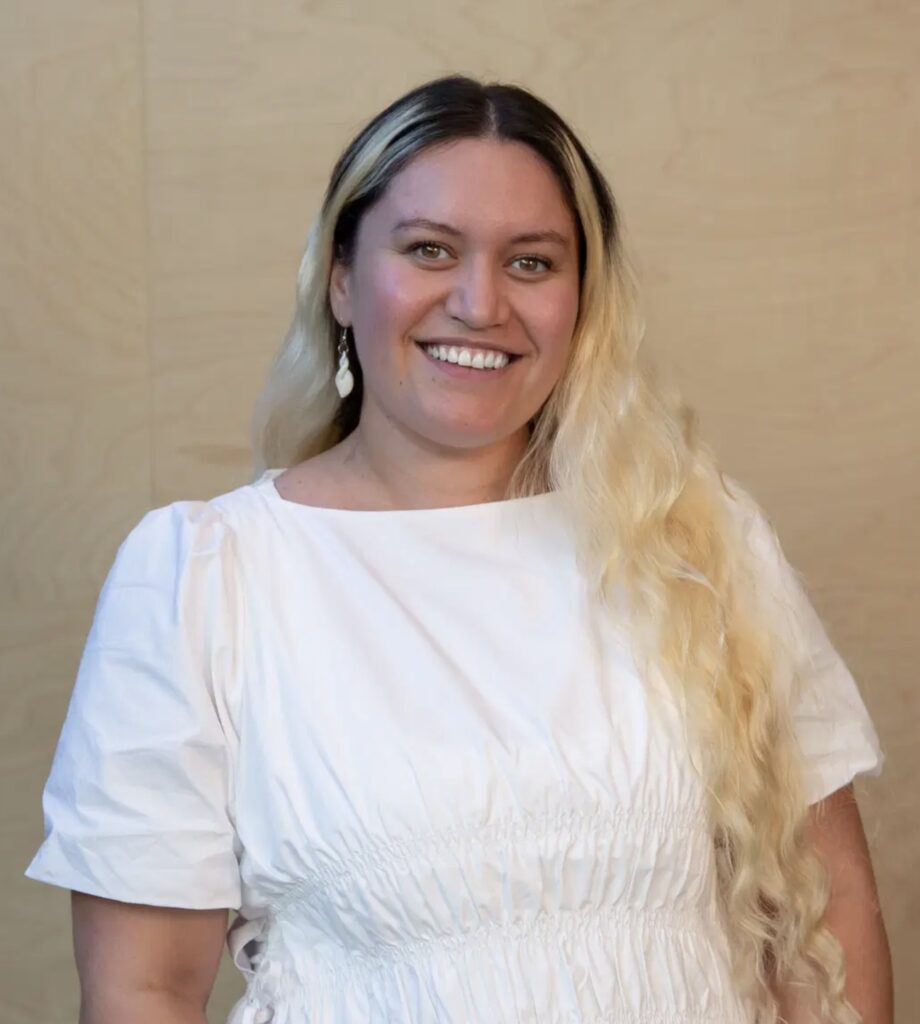
Manakore Rickus-Graham is a young and vibrant Māori data scientist, researcher and reo revitalisation practitioner working at the intersection of Indigenous data sovereignty, artificial intelligence, technology and te reo Rangatira.
Raised within Te Aho Matua Kura Kaupapa Māori and a first-language speaker of te reo Rangatira, Manakore brings a distinctly Māori and intergenerational perspective to the development and governance of emerging technologies. Her work has included Māori data research, predictive modelling, reo revitalisation initiatives and kaupapa exploring how data and digital technologies can serve the aspirations of whānau, hapū and iwi.
Central to her mahi is the principle that Māori should not simply be users, data subjects or recipients of technology, but decision-makers, designers and leaders in determining how technology is created, governed and used.
Manakore is particularly interested in the relationship between ancestral knowledge and emerging technologies: how artificial intelligence and digital innovation can strengthen the intergenerational transmission of te reo Rangatira while protecting mātauranga, whakapapa, whānau, hapū and iwi data and Indigenous intellectual and cultural authority.
She is committed to creating pathways for rangatahi Māori to lead within data, AI and technology, grounded confidently in their own reo rangatira, tikanga and mātauranga.
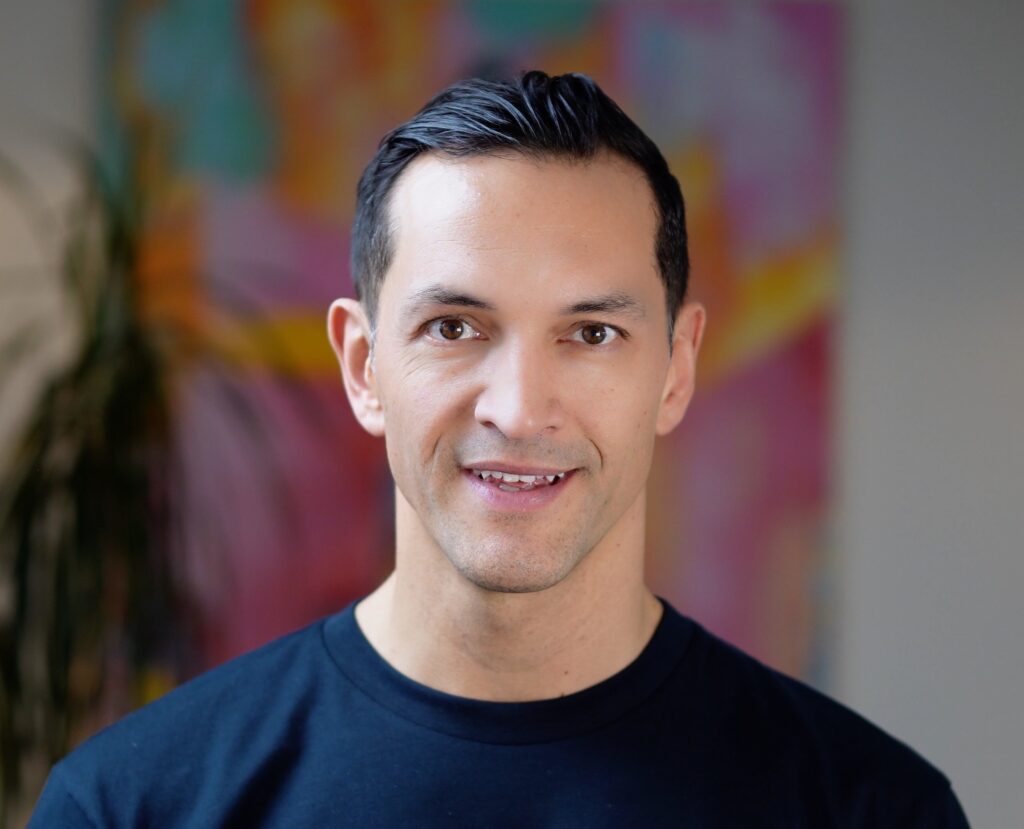
Nathan Bryant Taukiri (Kāi Tahu, Rangitāne o Wairau, Waikato-Tainui) has continually reinvented his own work. He joined start-up Potentia in 2005 as a recruiter, then ran its consulting team, contracting business and operations before leading the group as Executive Director. Today he leads Potentia's intelligence transformation as a hands-on practitioner: he designs and runs the AI agent systems now doing real work across the business, from candidate search to operations.
That work has taught him that the future of AI in business is a people question: people are both its greatest enabler and its biggest brake. The skill that lasts is learning itself, and it has to happen at every level of an organisation. It is why he co- founded Rea, a path-to-work venture that uses accelerated, job-ready learning to move Māori and Pasifika people into well-paid tech careers.
An entrepreneur at heart, Nathan also thinks like an investor about people and careers. Through Humi Group he backs and coaches early-stage founders. He was lead investor and board chair of Hnry, and now chairs KiwiNet's Emerging Innovator Committee. His message to future Indigenous leaders: back yourself early, keep learning, and be the navigators of this new ocean, not passengers on it.

Lisa Sarago is a proud Bundaburra Yidinji, Western Yalanji and Jirrbal woman, Indigenous technology leader, entrepreneur and advocate for Indigenous self-determination in the digital economy.
As Founder and CEO of Digital Trackers, CEO of Land on Heart Foundation, and Founder of Tiddas in Tech, Lisa is committed to creating pathways for Aboriginal and Torres Strait Islander peoples to participate, lead and thrive in technology. Her work spans digital inclusion, Indigenous Data Sovereignty, technology innovation, workforce development and Indigenous women's leadership.
With a career spanning Indigenous employment, education, community development and technology, Lisa brings a unique perspective on how digital capability can drive economic opportunity, community empowerment and self-determination.
Lisa is currently undertaking a PhD at the University of Technology Sydney, researching Indigenous women's employment and career pathways into technology, from access through to leadership.
Recognised as the 2022 Indigenous Leader of the Year at the Women in Digital Awards and a 2026 Women in Technology Awards winner, Lisa is passionate about moving beyond digital inclusion towards Indigenous ownership, sovereignty and leadership - ensuring Indigenous peoples are not simply participants in the digital future, but its architects.

Julia Pahina and Eteroa Lafaele are nationally and globally recognised Pacific leaders in innovation and technology, and co-founders of Fibre Fale, a Pacific-led organisation transforming how Indigenous and Pacific communities engage with technology and AI.
Julia is an internationally experienced technology strategist and social entrepreneur. Having held global leadership roles at HP across the UK and USA, she has also contributed to governance and advisory work with the World Economic Forum, University of Auckland and New Zealand's Digital Council. Her work focuses on digital equity, AI governance and systems change.
Eteroa, the 2025 Young New Zealander of the Year and Forbes 30 Under 30 honouree, is a proud Samoan technology leader, author and advocate for digital equity, recognised for her work in advancing Pacific leadership, innovation and opportunities across Aotearoa and beyond. Together, they are a driving force for change, challenging who gets to lead, whose knowledge is valued and who gets to shape the future. They are not waiting for a seat at the table. They are building a new one for generations to come.
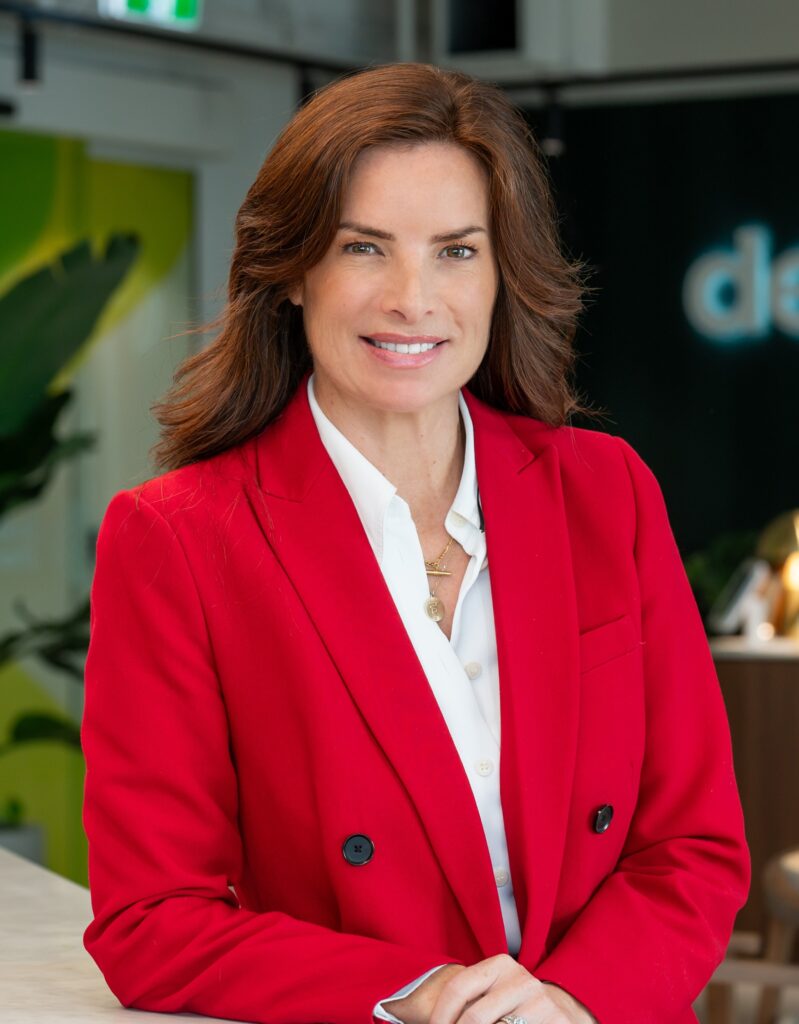
Teresa Pollard (Ngāpuhi, Ngāti Kahu ki Whangaroa, Ngāti Kauwhata) is Interim Group Chief Executive of Delta Insurance Group leading teams across Aotearoa, Australia and Singapore. She is leading the business through its next stage of growth with a focus on growth through emerging technology, digital distribution and a relentless focus on the customer with a values and trust led approach. She has spent more than 25 years in technology, sales and operations across Aotearoa, Singapore and New York, with roles at Fuji Xerox, Xerox, Microsoft, New Zealand Trade and Enterprise and Datacom. As Chief Digital Officer at Te Pūkenga she led a national digital team of 550 and unified 26 technology strategies into one, and was named in the CIO50 New Zealand in 2023. She is co-founder of Digital Board Partners, a Trustee of Ronald McDonald House Charities New Zealand, and holds a range of community and commercial governance roles. She is an active investor in start ups and long-time Hi-Tech Awards judge.