
Keynotes, panel discussions, workshops & Te Pae Hiko
Abstracts for the keynote presentations, panel discussions, workshops and Te Pae Hiko stage at the Indigenous Tech Summit.
More abstracts will be added as they are confirmed.
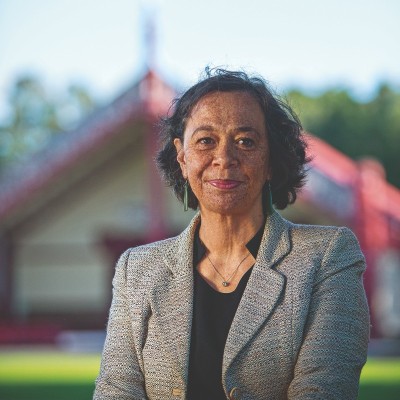
- Amokura PanohoNetsafe | Online Safety ILG - Pou Tangata
This interactive workshop begins with a prophetic kōrero attributed to Ngāpuhi rangatira Āperahama Taonui: “Tērā te taniwha e haere mai ana. Ko ōna niho he hiriwa, he koura, ko tana kai he whenua. Kaua e wehi ki te hiriwa, ki te koura, kaua hoki e whakanohoia hei atua. E kore rawa koutou e kite i te taenga mai o taua taniwha, kia kitea rā anō e titiro mai ana i roto i ngā kanohi o ō koutou mokopuna. Ko te rongoā anake, he tāwhai i a rātou ki te aroha.” Taonui’s kōrero offers more than a warning. It provides an ancestral framework for navigating profound change: do not fear what is coming, do not make it an atua, understand its consequences, and remain focused on the generations who follow. What happens when Indigenous peoples stop imagining ourselves inside somebody else’s technological future and start designing our own? For one generation, technological futures belonged largely to science fiction—*Star Trek* and *Star Wars*. More recently, *Black Panther*, through Wakanda, imagined technological advancement without the abandonment of culture, identity and ancestral knowledge. Increasingly, these imagined futures resemble the world emerging around us. Grounded in insights from the **Māori Online Safety Ecosystem** research, the workshop brings Taonui’s ancestral wisdom into conversation with our emerging digital future. Participants will explore Digital Guardianship through five roles—**kaitiaki, builders, critical thinkers, creators and decision-makers**—and consider the knowledge, values and capabilities our mokopuna will need to navigate and shape the digital environments of 2050. The workshop returns finally to Taonui’s remedy: “Ko te rongoā anake, he tāwhai i a rātou ki te aroha.” As yesterday’s science fiction becomes today’s reality, we ask: what does it mean to cloak our mokopuna in aroha in a digital world?
- Hinerangi Eruera MurphyPhD Candidate, Te Whare Wānanga o Awanuiārangi
Ko ngā whenu tīpuna hei ārahi ngā huarahi mō apōpō. Ancestral threads that guide the pathways for tomorrow. This participatory wānanga explores how ancestral and intergenerational wisdom can animate collective visions of desirable futures and inform practical pathways for systems transformation. Grounded in Kaupapa Māori, relational and futures-oriented pukengā, the workshop bridges inherited stories, practices, values, and knowledge as living resources with critical inquiry, creative expression, and future-making. Participants invoke forms of wisdom carried across generations, identify examples of contemporary relevance and interpret the significance of each through peer exchange. Selected insights are translated into physical artefacts supported by concise rationales, then integrated within Pārito, a Collective Imaginarium, that links individual contributions into a shared material form. Relational mapping reveals connections among whakapapa (people), whenua (place), mātauranga, values and structures. These interdependencies shape present conditions and possible futures. Facilitated dialogue examines perspectives, assumptions, and diverse knowledge traditions. Once complete, Pārito provides the basis for systems analysis, enabling participants to identify points in the wānanga design where intervention could create meaningful change. Pārito contributes a culturally grounded participatory social technology, that bridges ancestral and intergenerational wisdom with collective systems inquiry and purposeful future-making. Connecting reflective and creative practice with analysis, the Collective Imaginarium demonstrates how mātauranga can guide shared interpretation and transformative action. This approach centres Indigenous knowledge sovereignty and supports context-responsive systems design. By the end of the workshop, participants will (i) explain the contemporary significance of at least two examples of ancestral or intergenerational wisdom; (ii) represent selected insights through an artefact and rationale; (iii) contribute evidence and ideas to a collaboratively produced systems map; and (iv) identify and justify at least two points of strategic influence for transformation. This wānanga foregrounds reciprocity, accountability, and collective responsibility.

- Raymond Otene McKay (Ngaati MahutaNgāti PūkekoRongomaiwahineNgāti Porou)RUN Aotearoa
RUN Aotearoa have always done creativity merged differently, this is the same whakaaro that they use to approach AI, tech and te ao Māori while building brands for businesses and Māori kaupapa. How can you harness auahatanga me te ao hurihuri (creativity and change) to build a business, brand or movement?
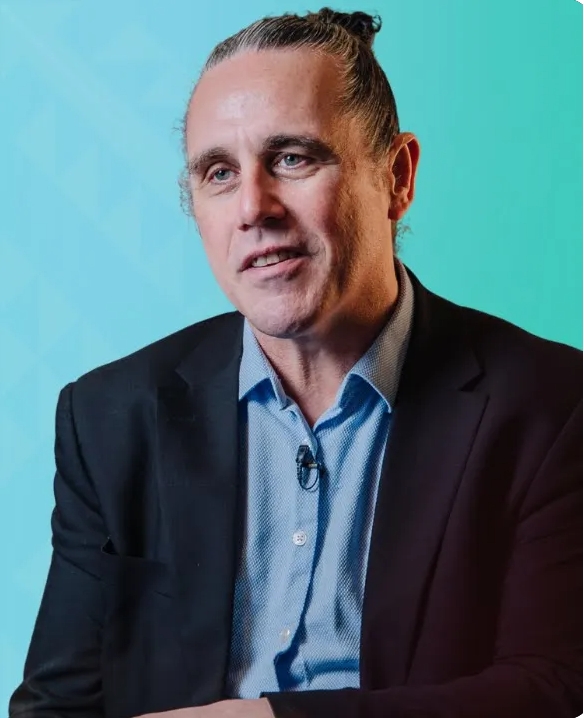
- Dr Karaitiana TaiuruTaiuru & Associates
Māori Data Sovereignty is now widely recognised across Indigenous and Māori communities but rarely implemented. Developers, procurers and governance bodies are told to honour Māori Data Sovereignty, Te Tiriti o Waitangi and tikanga, yet they are rarely given anything they can build, test or audit against. This workshop presents what is, to our knowledge, the first operational Māori Data Sovereignty and AI specification written for a system developer. Developed for the proposed Māori Building Consent Authority (MBCA), it turns tikanga Māori and Te Tiriti into 80 mandatory, verifiable design requirements covering the full system lifecycle, from pre-design to the retirement of models and learned representations. The specification rests on three commitments. Te Tiriti is treated as a constitutional threshold, not a consultation checkbox. An architecture test holds that a Māori provision counts only if removing it would break the system. And there is a clear line between what can be encoded and what must stay with Māori collective judgement. Participants will work through selected requirements, apply the architecture test to their own systems, and look at the hard problems: how tikanga and statute interact, how to resist a single pan-Māori interpretation of tikanga, and how to keep non-delegable authority out of supplier contracts. The workshop is for anyone moving Indigenous data sovereignty from aspiration to implementation, whether as a technologist, a governance practitioner, a procurement or assurance professional, or a researcher.
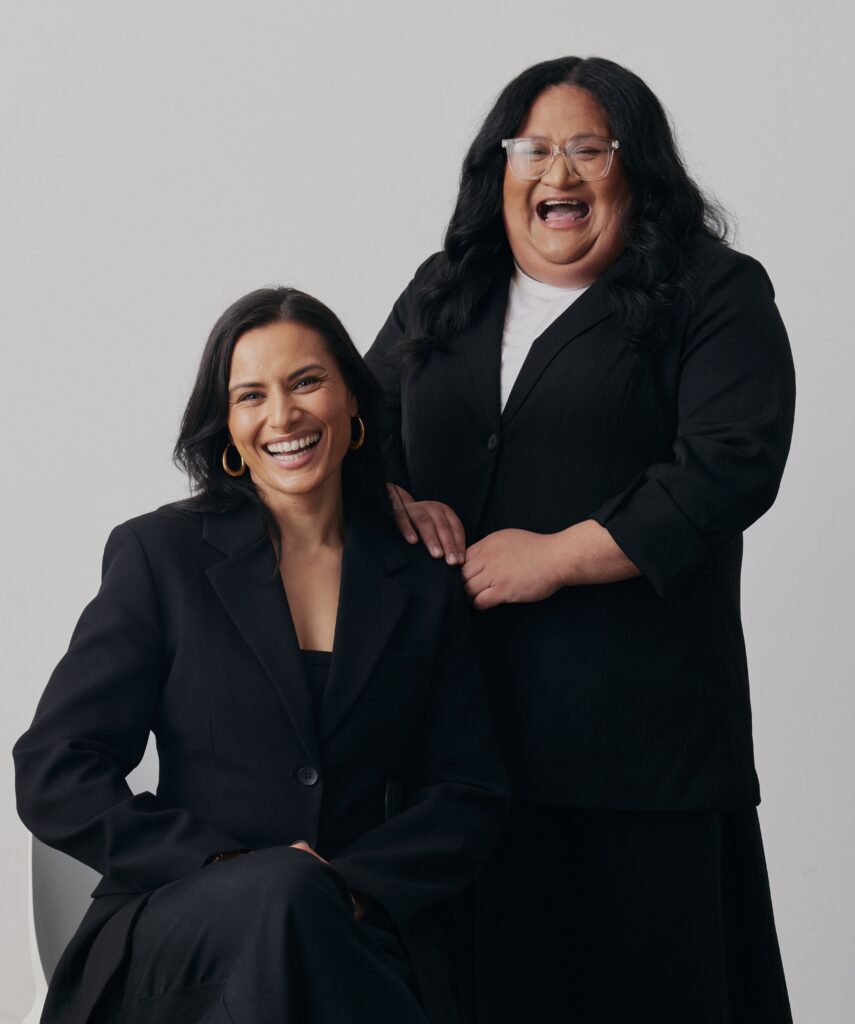
- Namulau'ulu Nu’uali’i Eteroa LafaeleJulia PahinaFibre Fale
From a tamatai'i Samoan girl in Cannons Creek to a career in tech, Eteroa Lafaele walked away from the path she worked so hard to build to create Fibre Fale with her Co-founder Julia Pahina. Now, as a Forbes 30 Under 30 recipient, NZ Hi-Tech Young Achiever of the Year 2024, and Young New Zealander of the Year 2025, she shares the untold story behind the recognition, the ancestral strength that carried her, and the purpose behind Ete Fixes the Glitch - her children's book. Because the greatest thing she built was never technology. It was a future where her people could see themselves. This will also be a rare occasion where Ete will gift signed copies of Ete Fixes the Glitch to the audience.